
 By Ahana Verma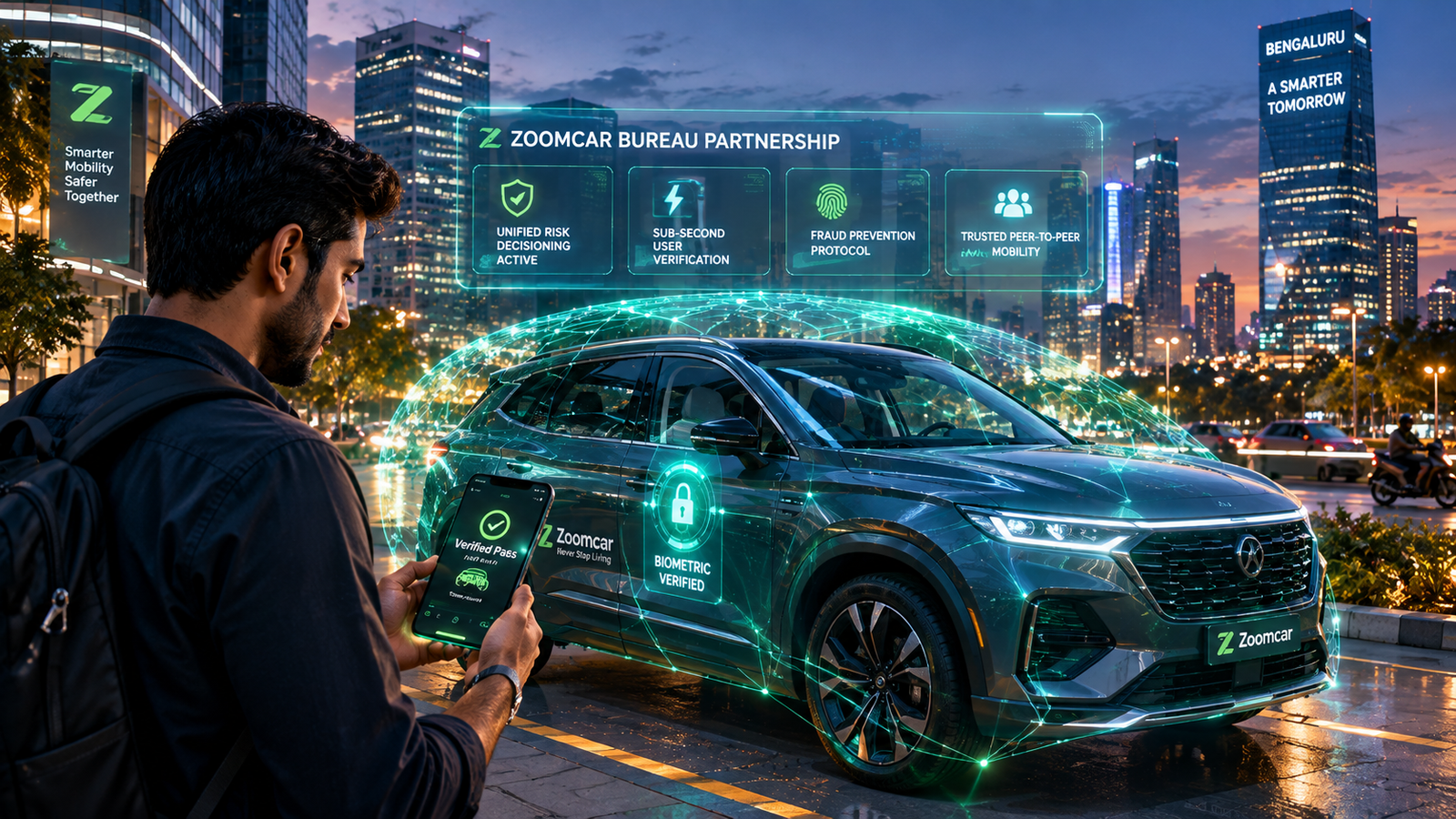
Peer-to-peer car sharing platforms face complex trust and asset safety challenges. When hosts list personal passenger vehicles on digital rental marketplaces, preventing unauthorized driving, document forgery, and vehicle theft is essential to company survival.
To harden asset protection, India’s leading self-drive car-sharing marketplace Zoomcar announced a strategic agreement on October 8, 2026. The new Zoomcar Bureau partnership integrates Bureau’s unified risk decisioning platform directly into the car-rental onboarding engine. Consequently, the collaboration strengthens real-time user verification and behavioral fraud detection across the customer booking journey. Furthermore, the security upgrade protects host vehicles while maintaining frictionless reservations for verified travelers. Therefore, automated digital risk intelligence has become the primary operational requirement for shared mobility commerce.
Tackling Fraud in the Shared Mobility Economy
Operating a peer-to-peer vehicle marketplace requires balancing security with smooth user experiences. If identity verification takes twenty-four hours, spontaneous travelers abandon bookings for traditional taxis.
However, lax security checks allow bad actors to rent vehicles using forged digital driving permits or stolen financial credentials. In worst-case scenarios, rented vehicles face unauthorized commercial misuse or cross-border smuggling.
The Zoomcar Bureau partnership eliminates this vulnerability through instant biometric and behavioral verification. When a user requests a car, Bureau’s risk engine cross-references digital footprints, phone identity signals, and government driving license registries in under two seconds.
Real-Time Risk Intelligence Across the User Journey
Security verification within modern mobility apps does not stop once the physical car door unlocks. Bureau’s platform integrates continuous risk signals throughout the entire trip tenure.
Specifically, machine learning models evaluate behavioral patterns associated with fraudulent operations. If anomalous route deviations or device location mismatches occur, the platform flags the booking for real-time security scrutiny.
Moreover, hosts gain verified transparency regarding prospective guests. Vehicle owners accept reservations with complete confidence, knowing that guests have passed rigorous digital authentication.
Building Asset Trust to Accelerate Electric Vehicle Sharing
Strengthening digital trust is critical as Zoomcar expands its electric vehicle rental fleet. The company has identified 2026 as a pivotal transition year, promoting self-drive rentals as extended test drives for prospective electric vehicle buyers.
Because electric vehicles incorporate expensive lithium battery packs and connected telematics computers, hosts require ironclad asset protection. Transparent, verified user profiles reduce insurance loss ratios and encourage more private owners to list vehicles on the marketplace.
Ultimately, the Zoomcar Bureau partnership highlights how digital trust infrastructure powers the modern sharing economy. By securing high-value mobility transactions with automated intelligence, technology platforms are making peer-to-peer commerce safer for everyone.
Tags: Zoomcar, Bureau, Zoomcar Bureau Partnership, Car Sharing India, Fraud Prevention, Mobility Tech, Identity Verification, Travel Tech 2026
Author CTA: Follow Flairius News — sharp takes on AI, business, and India’s startup economy — flairiusnews.com
 Aditya Agarwal