
 By Aditya Agarwal
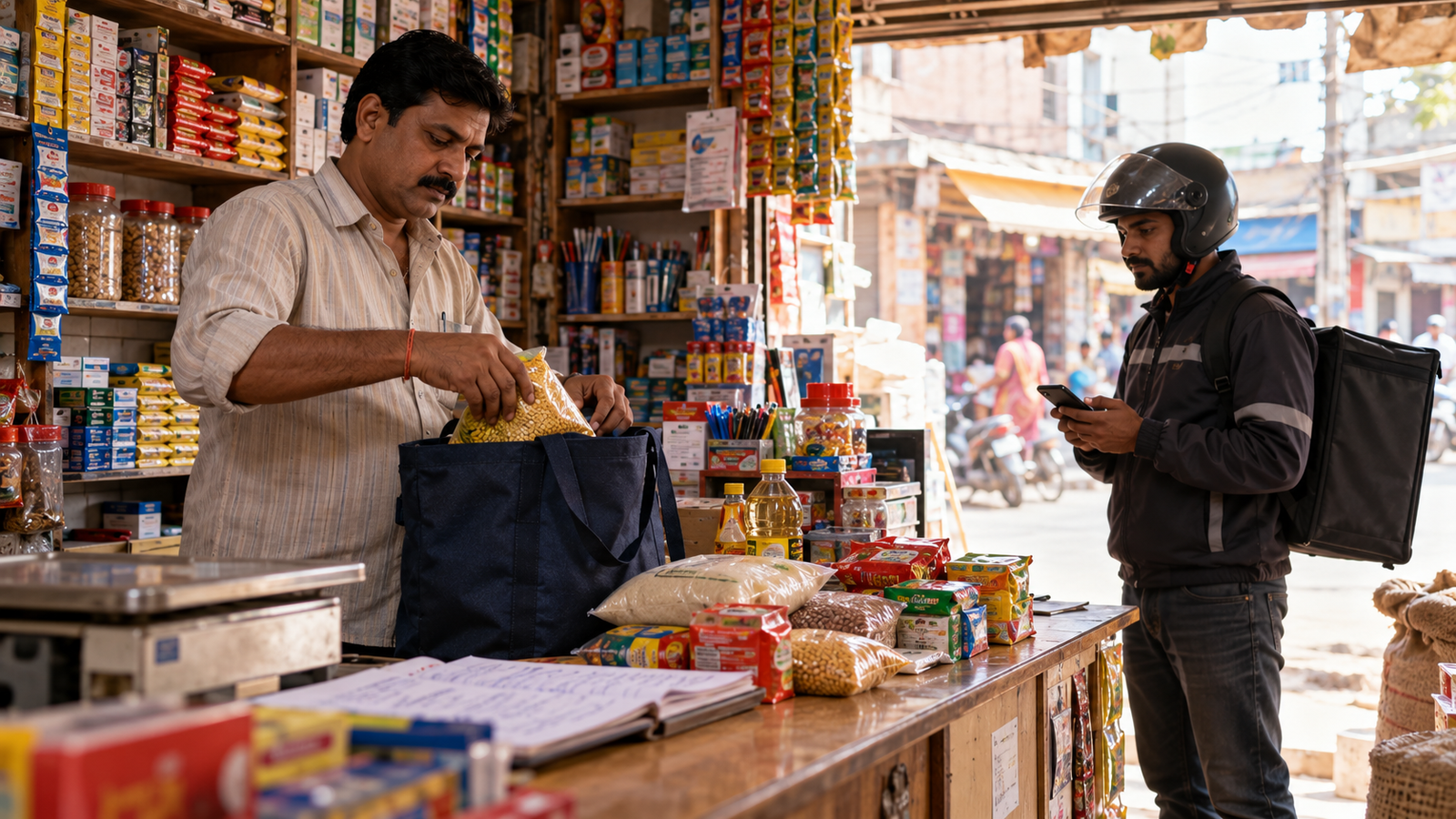
Furtilo founder Ankit Agrawal is targeting 500 small towns by mid-2028 after the Bengaluru-based hyperlocal delivery startup secured seed funding from US investment firm Trikona LLC.
The funding amount was not disclosed in a report published on 21 October 2026. Furtilo, previously known as BelivMart, connects customers with local restaurants and neighbourhood shops through a delivery application. (The Tribune)
The company’s model centres on giving merchants access to digital ordering without charging a commission on each order. Instead, participating businesses pay a flat subscription fee.
Why Furtilo Is Focusing on Smaller Towns
Large delivery platforms have concentrated much of their expansion on major cities, where customer density can support extensive delivery networks.
Smaller towns present a different operating environment. Customers may be spread across a wider area, local businesses may have limited digital infrastructure, and order volumes can vary considerably between locations.
Furtilo is targeting Tier-3 and Tier-4 towns across Madhya Pradesh, Rajasthan, Gujarat and neighbouring states.
The opportunity lies in helping established local businesses reach customers digitally without requiring them to develop their own ordering technology.
However, the model must still overcome logistical challenges, including delivery distances, order density, rider availability and customer acquisition costs.
How the Zero-Commission Model Works
Under Furtilo’s reported model, restaurants and local shops pay a flat monthly subscription rather than a commission on every transaction.
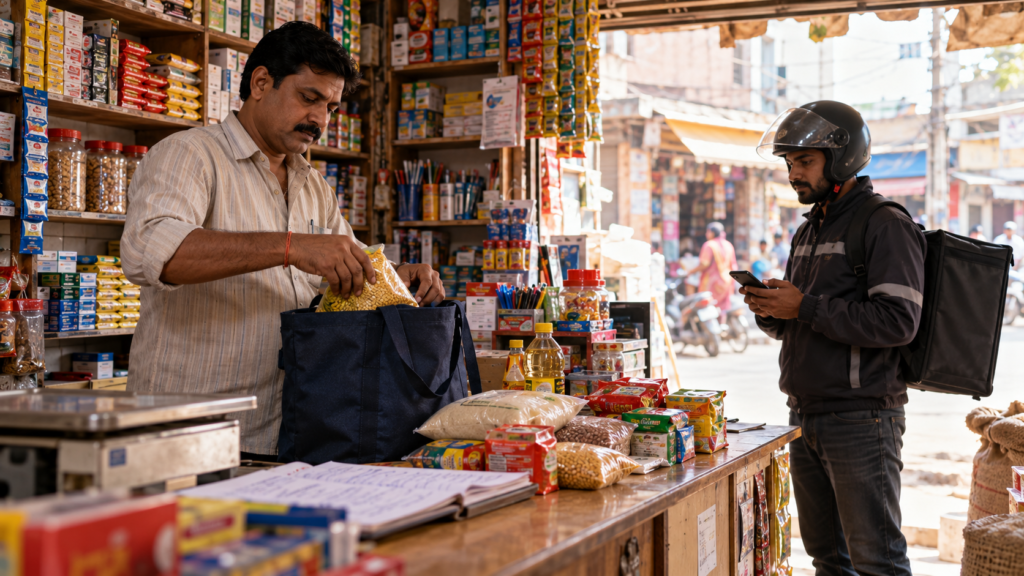
The platform supports orders for food and products from categories including groceries, stationery, hardware, electronics and agricultural supplies.
A zero-commission structure can make costs more predictable for merchants, especially businesses operating with limited margins.
However, merchants must evaluate the total cost of participation, including subscription fees, packaging, discounts and the cost of fulfilling orders.
For the platform, recurring subscriptions can provide predictable revenue, but financial sustainability depends on attracting enough merchants and customers in each town.
Growth and Expansion Targets
According to the report, Furtilo was operating in 37 small towns across Madhya Pradesh, Rajasthan and Gujarat by October 2026.
The company had onboarded approximately 650 restaurants and shops and was handling more than 6,000 orders per month. It reported that monthly orders had increased from around 1,500 in June to 6,000 by October.
These are company-reported operational figures, not independently audited financial results.
Furtilo plans to use the funding to strengthen its technology, expand local operations and increase the pace of new-town launches. It also intends to introduce parcel delivery and bike-taxi services in states where those services are legally permitted.
The Challenge of Scaling Local Commerce
Expanding to 500 towns requires more than adding locations to an application.
The company must establish local merchant relationships, recruit delivery partners, maintain service quality and generate enough orders to support each town’s operating costs.
The economics of a small-town delivery network may differ from those of a major metropolitan service. Low delivery density can increase costs, while inconsistent order volumes can make it difficult to retain delivery partners.
Furtilo’s ability to build repeatable local operations will therefore be central to its expansion plans.
Lessons for Entrepreneurs
The Furtilo founder’s strategy offers several lessons for entrepreneurs.
Target underserved markets: Smaller towns may offer opportunities where existing digital services are less established.
Design around local economics: A business model must account for merchant margins, delivery costs and customer spending patterns.
Build repeatable processes: Expansion becomes more manageable when each new location follows a consistent launch and operating plan.
Measure retention, not just reach: Active customers, repeat orders and merchant satisfaction are important indicators of sustainable growth.
Outlook
Furtilo’s expansion plan highlights the potential of hyperlocal commerce beyond India’s largest cities.
Reaching 500 towns would represent a substantial increase from its reported October footprint. Whether the company can achieve that target will depend on funding, operational execution, merchant adoption and the economics of each local market.
Tags: Furtilo founder, Ankit Agrawal, Indian entrepreneurs, hyperlocal delivery, small-town business, startup funding
Internal Link Suggestion: FlairiusNews — Entrepreneur Stories and Emerging Indian Businesses
Outbound Source: The Tribune — Furtilo Raises Seed Funding