
 By Aditya Agarwal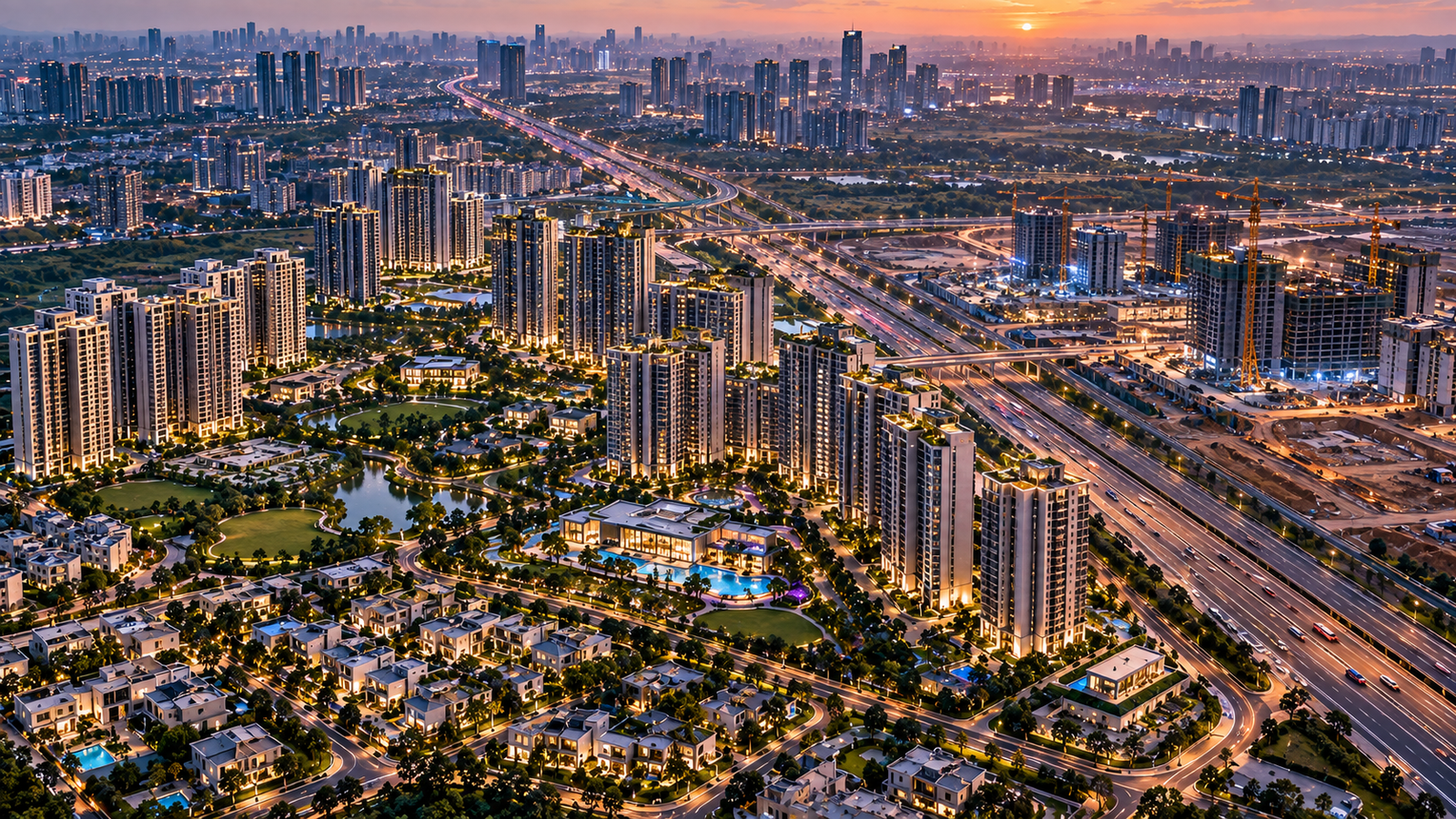
NCR home prices increased 12% year-on-year during the July-September quarter of 2026, giving the region the strongest price growth among India’s seven major residential markets.
The increase came despite relatively subdued transaction growth.
NCR recorded sales of approximately 13,765 homes during the quarter, around 1% below the comparable period last year.
However, sales increased about 3% from the previous quarter.
The numbers reveal an increasingly important characteristic of NCR’s housing market: price growth is being driven alongside a shift toward more expensive housing.
Luxury Homes Take a Larger Share
More than 34% of new NCR housing supply during the quarter was priced above ₹2.5 crore.
That is significant.
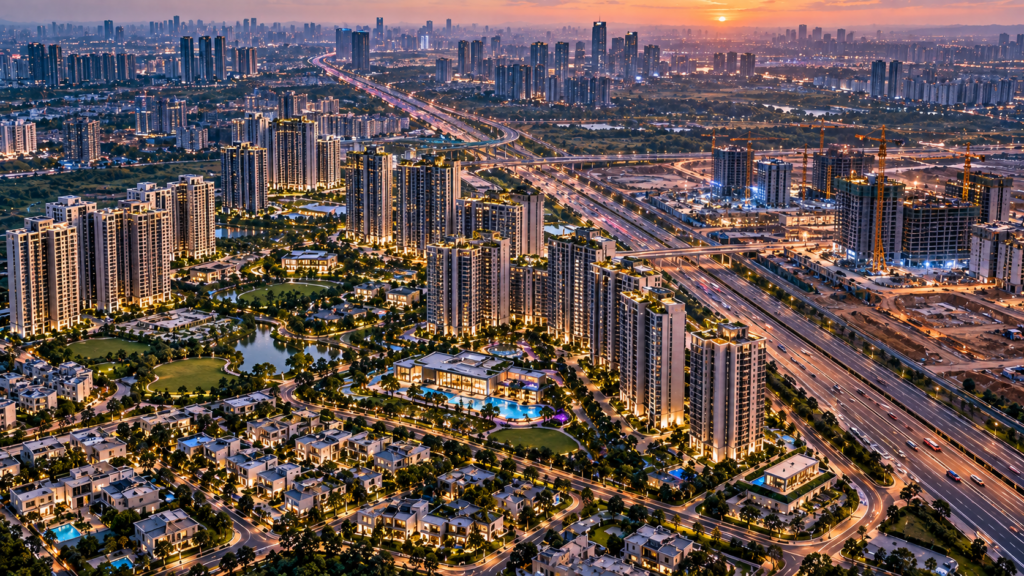
Developers have increasingly concentrated on premium projects, particularly in Gurugram and well-connected corridors across the wider National Capital Region.
Meanwhile, buyers with stronger balance sheets continue to prioritise larger homes, amenities and branded developments.
This shift can increase average market prices even when overall transaction volumes remain relatively stable.
Consequently, price appreciation should not automatically be interpreted as equally strong demand across every housing category.
Supply Declines While Prices Rise
New project launches in NCR fell approximately 14% year-on-year during the quarter.
Lower supply combined with demand for premium properties can support higher prices in desirable locations.
However, affordability remains an important issue.
Rapid price appreciation can gradually push middle-income buyers toward peripheral markets or smaller homes.
Infrastructure development may partly determine where those buyers move next.
New highways, metro connections and commercial districts can turn previously peripheral areas into viable residential markets.
This dynamic has already shaped large parts of Gurugram and Noida.
India’s Wider Housing Market Remains Active
Across India’s seven major residential markets, roughly 100,220 homes were sold during Q3 2026.
That represented approximately 3% annual growth.
Meanwhile, new launches increased around 18% to more than 114,000 units.
Average residential prices across the seven cities rose approximately 7% annually.
Therefore, NCR’s 12% increase was considerably stronger than the overall average.
The Mumbai Metropolitan Region remained the country’s largest housing market by transaction volume, while Bengaluru also recorded strong activity.
Premiumisation Is Changing Residential Development
India’s housing sector increasingly resembles trends already visible in other consumer industries.
Developers are moving toward higher-value products.
Buyers in premium segments are demanding larger floor plans, clubhouses, landscaped areas, security systems and better connectivity.
As a result, developers can potentially generate greater revenue from smaller parcels of strategically located land.
However, the shift also raises questions about the supply of affordable and mid-market housing.
If land and construction costs continue increasing, developers may find premium projects financially more attractive.
NCR Enters the Festive Quarter With Higher Prices
The coming quarters will provide a clearer test of whether NCR’s price momentum remains sustainable.
Festive periods traditionally generate stronger residential activity.
Yet buyers are increasingly sensitive to project quality, developer reputation and connectivity.
The NCR home prices story is therefore about more than a 12% annual increase.
It reflects a broader transformation in the region.
Delhi-NCR is increasingly becoming a premium residential market where luxury projects command a growing share of new supply.
That transition could continue reshaping Gurugram, Noida and emerging residential corridors surrounding the capital.
Tags: NCR Real Estate, Delhi NCR, Gurugram, Luxury Housing, Property Prices, Anarock, Indian Real Estate
Flairius CTA:
Follow Flairius News — sharp takes on AI, business, and India’s startup economy — flairiusnews.com